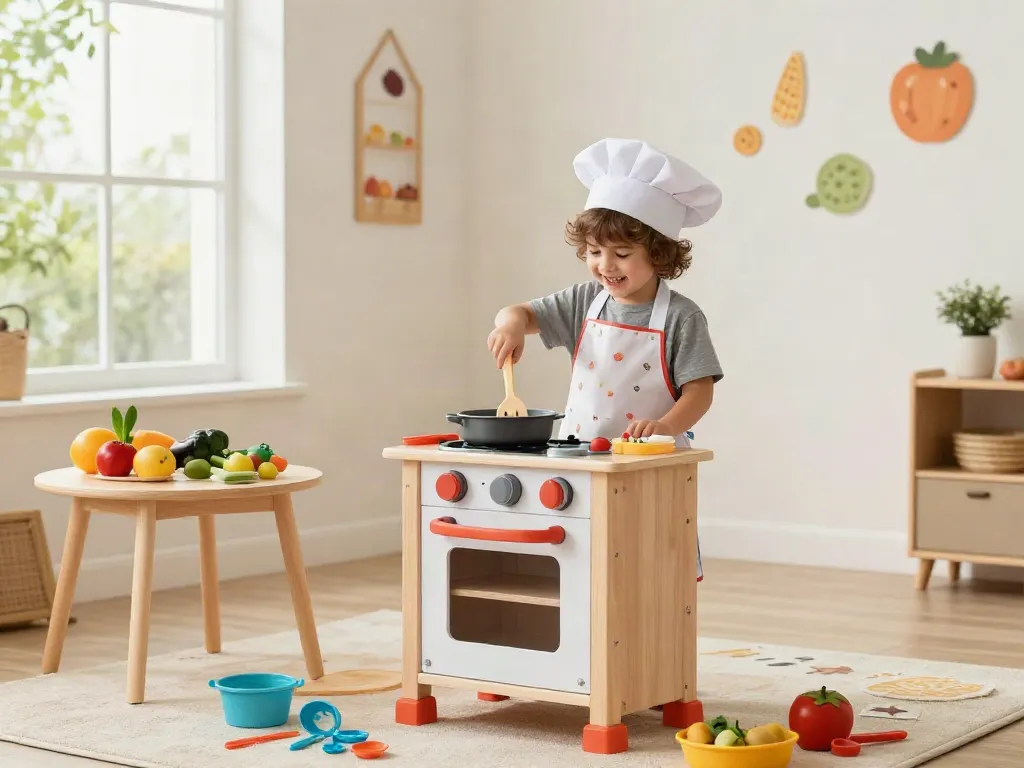
The Importance of Kids Kitchens in Early Development
In today’s fast-paced world, fostering creativity and imagination in children is more important than ever. One of the most effective ways to achieve this is through pretend play, particularly with kids kitchens. These playful setups not only provide hours of fun but also support essential developmental milestones. Incorporating a kids kitchen into your child's playtime can create an enriching environment where they learn through cookery and role-play.
Benefits of Pretend Play in Child Growth
Pretend play is critical for children's cognitive, social, and emotional development. When engaging in role-play activities, such as cooking in a kids kitchen, children develop problem-solving skills, enhance their language abilities, and cultivate emotional intelligence. The act of pretending to cook or serve food mimics real-life scenarios, helping children understand the world around them.
How Kids Kitchens Encourage Imagination
Kids kitchens come alive in the imaginations of children. These playsets offer a variety of features that stimulate creativity—from mini ovens to colourful utensils. As children create various dishes, they experiment with different scenarios, enhancing their imaginative capabilities. This imaginative play not only nurtures creativity but also reinforces cultural understanding and empathy as they role-play family meals or restaurant scenarios.
Role of Social Skills Development through Cooking Play
Playing with friends or family in a kids kitchen fosters social interactions that are vital for developing communication skills. Through collaborative cooking activities, children learn to negotiate roles, share resources, and express themselves verbally. These interactions help them build relationships with peers, laying a foundation for effective teamwork and problem-solving skills that will benefit them throughout their lives.
Choosing the Right Kids Kitchen Set for Your Child
With the multitude of options available, selecting the perfect kids kitchen set requires careful consideration. Parents should focus on what features will engage their child while promoting learning and safety.
Key Features to Look For in Kids Kitchen Sets
- Durability: Look for sets made from high-quality materials that can withstand rough play.
- Realistic Elements: Features like functioning knobs, lights, and sounds can enhance the play experience.
- Size: Ensure the kitchen set fits comfortably in your designated play area and is appropriate for your child’s age.
Age Appropriateness and Safety Considerations
When selecting a kids kitchen, consider the age of your child. Many sets are designed for specific age groups, ensuring that the pieces are safe and easy to handle. Additionally, ensure that the materials used are non-toxic and devoid of sharp edges to prevent injuries.
Top Brands and Their Unique Offerings
Several top brands stand out in the kids kitchen market. For instance, KidKraft is renowned for its durable wooden kitchens with realistic features, while Melissa & Doug offer sets that encourage imaginative play. Tiny Land focuses on eco-friendly kitchens that align with sustainable practices. When choosing a brand, consider what aligns best with your values and your child’s preferences.
Creative Play Ideas Using Kids Kitchen Sets
Once you have the ideal kids kitchen set, it’s time to explore creative play ideas that will further enhance your child's experience.
Engaging Recipes for Kids to Try
Transform playtime into a learning kitchen by introducing simple recipes. Encourage your child to "cook" imaginary dishes such as a fruit salad or a make-believe birthday cake using play food. This not only promotes fine motor skills as they chop and prepare but also introduces basic cooking concepts.
Themed Cooking Days to Inspire Fun
Organise themed cooking days, such as Italian pasta night or a baking extravaganza. These days can include dressing up and using props to make the experience more immersive. Such thematic play encourages children to explore different cultures and understand various cuisines.
Incorporating Educational Elements in Playtime
Use playtime as an opportunity to introduce educational elements. For example, while "cooking," you can teach your child about measurements, counting, and even basic nutrition. This dual approach of play and education reinforces learning in a fun and engaging manner.
Maintaining and Customising Your Kids Kitchen Set
To ensure the longevity and continued enjoyment of your kids kitchen set, regular maintenance and customisation can go a long way.
Best Practices for Cleaning and Maintenance
Keeping the play kitchen clean is essential for hygiene. Regularly wipe down surfaces with mild soap and warm water. Be sure to inspect for any broken or loose parts that might need repairs to maintain safety and usability.
DIY Customisation Ideas for Personal Touches
Encourage your child's sense of ownership by customising the kitchen set. Use paint or stickers to add personal touches, or help them create their own recipe cards to hang on the kitchen walls. This personalisation can make the play experience even more special.
When to Upgrade or Expand Your Kids Kitchen
As your child grows, their interests and skills will evolve, requiring an update to their play kitchen. Look for signs that your child has outgrown their current set, such as a lack of interest or the need for more complex features. Expanding with accessories or a larger kitchen can rekindle their love for imaginative play.
Future Trends in Kids Kitchens: What to Expect in 2026
The landscape of kids kitchens is continually evolving. As we look towards 2026, several trends are expected to shape the market.
Technology Integration in Play Kitchen Sets
Future kids kitchen sets may feature advanced technology, such as interactive learning tools that teach cooking techniques or nutritional facts. This could engage kids in a more dynamic way, blending play with learning.
Environmental Sustainability in Kids Toys
As awareness of environmental issues grows, the demand for sustainable toys is increasing. Expect to see more kitchens made from recycled or eco-friendly materials, providing parents with guilt-free purchasing options.
Innovative Designs on the Horizon
Design trends in kids kitchens are shifting towards more compact, space-saving options that maintain playability without sacrificing quality. Customisation options will also expand, allowing children to create kitchens that reflect their personalities and preferences.
What is the best kitchen for kids?
The best kitchen for kids varies depending on age, interests, and space. Look for a set that combines durability, safety, and engaging features.
What age to get rid of kids kitchen?
Typically, kids start losing interest between ages 6-8, but this can vary. Assess your child's interest and developmental needs to make the right decision.
How much does a kitchen set for kids cost?
The cost of a kids kitchen set can range from £50 to over £300, depending on the brand, materials, and features. It's worth investing in a quality set that promotes lasting play.
Where can you buy kids kitchens?
Kids kitchens can be purchased from various retailers, both online and in-store, including specialty toy stores, large retailers, and dedicated websites focused on children's toys.