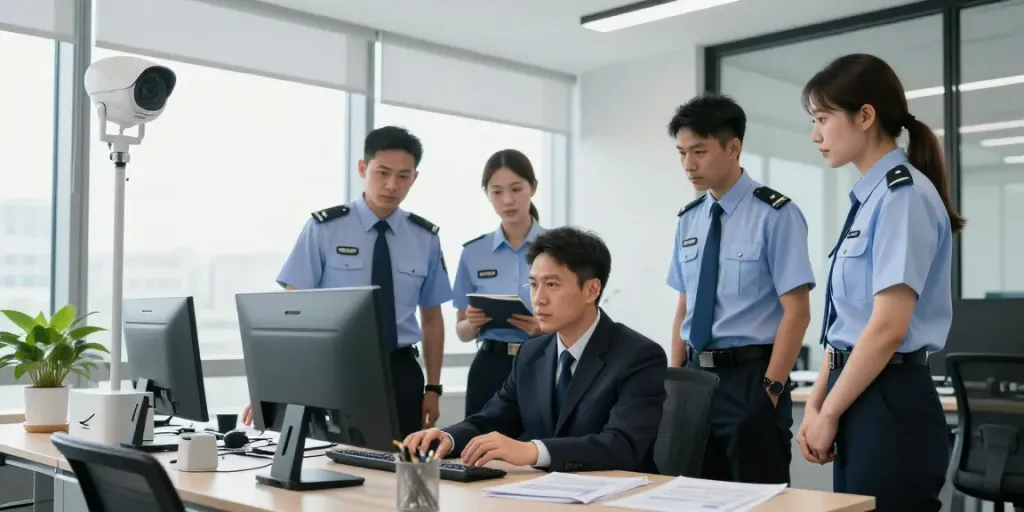
Understanding Corporate Security Services
In the contemporary landscape of business, protecting assets, employees, and sensitive information has never been more imperative. Corporate security serves as a vital line of defense against a range of potential threats. This specialized field encompasses various strategies and protocols designed to deter, detect, and respond to security breaches while ensuring compliance with local regulations. By investing in effective corporate security services, businesses can protect their operations and foster trust among stakeholders. When exploring options, Corporate Security provides comprehensive insights into safeguarding valuable assets.
What Does a Corporate Security Service Include?
Corporate security includes a multitude of services tailored to meet the diverse needs of businesses. These can range from physical security measures, such as manned guarding and surveillance systems, to cybersecurity strategies designed to protect against digital threats. Key components typically found within corporate security services include:
- Surveillance Systems: These systems utilize cameras and monitoring technologies to provide real-time insights into a facility's security status.
- Access Control: Restricting entry to sensitive areas through key cards, biodetrics, or PINs ensures that only authorized personnel gain access.
- Risk Assessments: Comprehensive evaluations identify potential vulnerabilities within a business's operations, paving the way for informed protective measures.
- Emergency Preparedness: Developing response plans for various incidents such as fire, intrusions, and natural disasters is crucial for maintaining safety.
Benefits of Hiring a Trusted Corporate Security Firm
Engaging with an established corporate security provider offers myriad benefits to businesses. These firms bring expertise and resources that often exceed what can be managed internally. Notable advantages include:
- Expertise: Security firms employ professionals with industry-specific training and experience, essential for effectively addressing threats.
- 24/7 Monitoring: Continuous surveillance capabilities ensure real-time threat detection and response, significantly enhancing security levels.
- Cost Efficiency: Outsourcing security functions can often be more cost-effective than maintaining an in-house security team.
- Comprehensive Solutions: Firms typically offer a suite of services comprehensively addressing various security needs, from physical protection to cybersecurity.
Types of Corporate Security Solutions Available
Businesses can select from a diverse array of corporate security solutions tailored to specific requirements. Key types include:
- Event Security: Focuses on ensuring the safety of attendees at corporate events through crowd management and conflict resolution strategies.
- Retail Security: Provides protective services to minimize loss and enhance the shopping experience in retail establishments.
- Corporate Office Security: Involves securing office premises, including access control, surveillance, and emergency procedures.
- Residential Security Solutions: Tailored services aim to protect residential properties, ensuring the safety of occupants.
How to Choose the Right Corporate Security Company
Selecting a corporate security company is a critical decision that directly impacts the safety of your assets and personnel. It’s essential to conduct thorough research to find a provider that aligns with your specific security needs. Consideration of various factors can guide your decision:
Factors to Consider in a Security Provider
- Experience: Look for a company with a proven track record in corporate security across your industry.
- Reputation: Investigate the company's reputation within the business community and seek testimonials from previous clients.
- Range of Services: Ensure the company offers comprehensive solutions that align with your unique security requirements.
Assessing Company Credentials and Accreditations
Proper credentials and accreditations signal a company's commitment to maintaining industry standards. Important certifications to look for include:
- SIA Approval: Companies in the UK must be licensed under the Security Industry Authority (SIA).
- ISO Certifications: Look for ISO 9001 for quality management systems that demonstrate commitment to continual improvement.
- Industry Memberships: Memberships in professional associations can indicate a firm’s dedication to industry best practices.
Reading Customer Reviews and Testimonials
Before finalizing your choice, spend time reading customer reviews and testimonials. Feedback from previous clients will provide insights into the company’s performance and quality of service. Be wary of companies with a significant number of negative reviews, as this may signal potential risks.
Corporate Security Pricing Guide
Understanding the pricing structure of corporate security services is vital for making informed decisions that align with your budget. Prices can vary significantly based on various factors, including service scope, experience, and geographical location.
How Much Do Corporate Security Services Cost?
On average, the hourly rate for security guards in the UK ranges between £12 and £20. Rates may fluctuate based on the type and complexity of the service required. For example, event security may command higher fees due to the increased personnel and resources needed.
Price Variation Across Different Services
Different types of services come with varying costs. Here is a brief overview of what you can expect:
- Event Security: Rates typically range between £25 and £50 per hour depending on the size and scope of the event.
- Corporate Security Guards: Prices range from £15 to £30 per hour based on the experience and location.
- Fire and Safety Compliance Services: These may incur additional costs, typically upwards of £400 for a comprehensive assessment and ongoing support.
Understanding Contracts and Long-term Commitments
When opting for corporate security services, businesses often enter into contracts that may include various terms. It is crucial to understand the specific terms of the agreement, including cancellation policies, service commitments, and flexibility to adapt to changing security needs.
Licensing and Insurance for Security Companies
Ensuring that a corporate security provider is licensed and insured is a fundamental step in securing your business's interests. This not only protects the company but also ensures compliance with legal obligations.
Importance of SIA Licensing in the UK
In the UK, the SIA is responsible for regulating the private security industry, including licensing personnel working within various security roles. Mandatory licensing helps ensure that security staff are trained, vetted, and qualified to perform their duties. Choosing an SIA-licensed business means you are partnering with a company that adheres to the highest industry standards.
Insurance Policies: What You Need to Know
Engaging a security company without proper insurance could expose your business to significant risks. Ensure the company holds relevant insurance, including:
- Public Liability Insurance: Protects against claims from third parties for injury or damage caused by the company's activities.
- Employer’s Liability Insurance: Mandatory in the UK, covering employee-related claims for work-related injuries or illnesses.
Compliance with Local Regulations and Standards
Compliance with local laws and industry regulations is essential to maintaining the integrity of security operations. Research the specific requirements for your area, ensuring the security provider can meet them.
Frequently Asked Questions About Corporate Security
The realm of corporate security often sparks inquiries regarding its importance and implementation. Below are some common questions and their solutions:
What Types of Industries Require Corporate Security?
Various industries heavily depend on corporate security, including:
- Retail: To mitigate theft and ensure customer safety.
- Corporate Offices: For asset protection and staff safety.
- Hospitality: To protect guests and staff in hotels and event venues.
How Can Businesses Conduct a Security Risk Assessment?
A security risk assessment involves a thorough examination of vulnerabilities within a facility or operation. Businesses can periodically review their security plans, consider potential threats, and engage with security professionals to identify risks specific to their operations.
What Is the Role of Technology in Modern Corporate Security?
Technology plays a pivotal role in enhancing corporate security. For more information, Corporate Security offers valuable insights. From advanced surveillance systems to access control technologies, modern solutions enable businesses to monitor threats effectively and respond promptly to incidents.